
Why Does My Seattle Home Smell Like Sewer Gas?
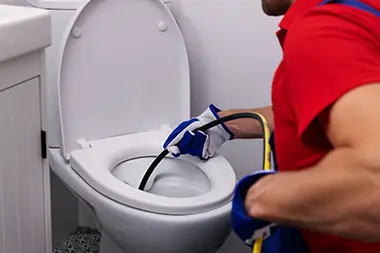
A sewer gas smell inside your Seattle home usually means odors are entering through a plumbing opening that should normally stay sealed. Common causes include a dry drain trap, damaged toilet seal, plumbing vent problem, or an issue with the sewer line.
Start by running water through sinks, showers, tubs, and floor drains that are rarely used. A dry P-trap can lose the water barrier that normally keeps sewer odors out.Ally Plumbing helps Seattle homeowners track down persistent sewer smells and determine whether the source is a simple trap issue or a larger plumbing problem.
If the odor continues after you refill unused drains, or you notice visible sewage, repeated backups, or physical discomfort around a strong odor, avoid ignoring the problem. A plumbing inspection can help locate the source before it becomes more disruptive.
Common Causes of Sewer Gas Smells in Seattle Homes
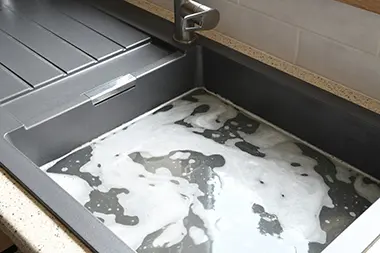
Dry Drain Traps
Most sinks, showers, tubs, and floor drains have a curved section of pipe called a P-trap. It holds a small amount of water that creates a barrier between your home and sewer gases.
If a fixture is rarely used, that water can evaporate. Running water through the drain may restore the seal and eliminate the smell.
Damaged Toilet Seal
A toilet is sealed to the drain connection below it. If that seal becomes damaged, loose, or deteriorated, sewer odors can escape around the base of the toilet.
You may also notice moisture, staining, or movement when sitting on the toilet. A plumber can inspect the connection and replace the seal if necessary.
Plumbing Vent Problems
Plumbing vents allow sewer gases to exit safely through the roof while helping maintain proper pressure in the drainage system.
If a vent becomes blocked, damaged, or improperly configured, odors may enter the home through drains or fixtures. Venting issues can sometimes also cause gurgling or slow drainage.
Sewer Line Problems
Cracks, blockages, broken connections, or other sewer line problems can allow sewer odors to develop indoors or around the property.
If the smell occurs along with multiple slow drains, frequent backups, or sewage coming through a drain, the main sewer line should be evaluated.
Warning Signs That Need Professional Attention
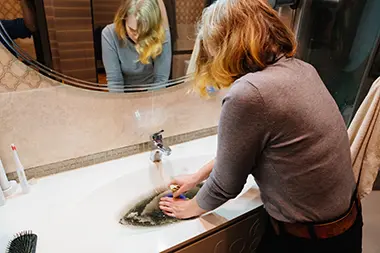
Some odors may disappear after adding water to a dry trap. Others require further investigation. Watch for:
- Sewer smells that keep returning
- Strong odors near toilets or drains
- Several slow or gurgling fixtures
- Visible sewage or wastewater
- Recurring sewer backups
- Headaches or discomfort around strong odors
Persistent symptoms suggest that simply masking the smell will not address the underlying plumbing problem.
How Much Does Sewer Odor Repair Cost in Seattle?
The cost depends on what is causing the smell. Refilling a dry trap may cost nothing, while replacing a toilet seal, repairing a vent, clearing a drain, or addressing a damaged sewer line can require professional work.
Because several plumbing problems can create similar odors, diagnosis is important before repairs begin.
Get Help With Sewer Odors in Seattle
If your Seattle home continues to smell like sewer gas after running water through unused drains, have the plumbing system inspected.
Ally Plumbing can check traps, toilet seals, vents, drains, and sewer lines to identify the source. Call (844) 669-ALLY to schedule plumbing service in Seattle and address persistent sewer odors at their source.

