
Why Does My Garbage Disposal Keep Clogging?
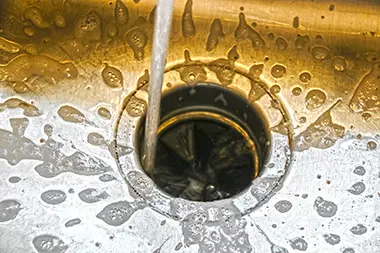
A garbage disposal that keeps clogging usually has an issue with what is being put through it, how the drain is handling waste, or both. Grease, fibrous foods, excessive food waste, and deeper drainage restrictions can all cause repeated backups in a Bellevue kitchen.
Start by using plenty of cold water while the disposal is running and avoid putting grease, bones, large amounts of food, or fibrous waste into the unit. Ally Plumbing helps Bellevue homeowners diagnose recurring garbage disposal clogs and determine whether the problem is inside the disposal or farther down the drain line.
If water begins backing into the opposite sink basin or the clog keeps returning after basic clearing, there may be a restriction downstream that needs professional attention.
Common Reasons a Garbage Disposal Keeps Clogging
Grease and Oil Buildup
Grease may look harmless when it is warm, but it can cool and stick to the inside of drain pipes.
As more grease collects, food particles and other debris can attach to it and create a thicker blockage. Over time, the drain may become slow or completely clogged.
Fibrous Foods
Foods such as celery, corn husks, onion skins, and other stringy waste can wrap around disposal components or collect in the drain.
Fibrous material does not always break down easily, which makes it more likely to create repeated clogs.
Too Much Food at Once
Garbage disposals are designed to handle small amounts of food waste, not large quantities all at once.
Feeding too much material into the unit can overwhelm the grinding chamber and send more debris into the drain than the plumbing can handle efficiently.
Not Using Enough Cold Water
Cold water helps move ground food waste through the drain while the disposal is operating.
Running too little water can allow debris to remain in the drain and begin collecting. Keep cold water running during disposal use and briefly afterward to help flush the line.
A Deeper Drain Restriction
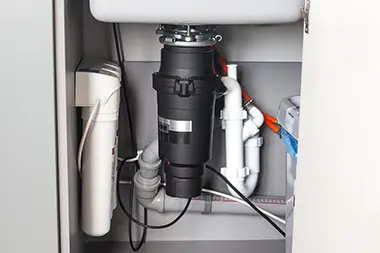
Sometimes the disposal itself is not the main problem. If water backs up into the opposite basin or the sink clogs repeatedly, the blockage may be located farther down the drain line.
Grease, sludge, or food buildup inside the pipe can restrict drainage even when the disposal is working normally.
Signs You Need Professional Disposal or Drain Service
Consider calling a plumber if you notice:
- Water backing into the opposite sink basin
- Recurring clogs after clearing
- Slow drainage from both sink basins
- Gurgling sounds from the drain
- Persistent bad odors
- Water standing in the sink after disposal use
These symptoms can indicate that the problem extends beyond the disposal itself.
How Can You Help Prevent Garbage Disposal Clogs?
Avoid putting grease, bones, coffee grounds, large food scraps, and fibrous waste into the disposal. Feed small amounts gradually and use adequate cold water.
Regularly cleaning the sink strainer and avoiding excessive food waste can also reduce the amount of material entering the drain.
How Much Does Garbage Disposal Repair Cost in Bellevue?
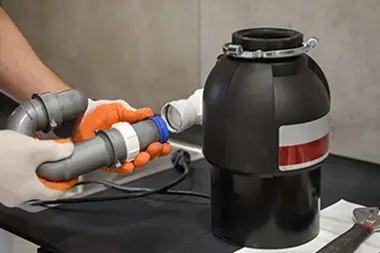
Drain or disposal repairs typically cost several hundred dollars. The final price depends on whether the issue involves the disposal, drain line, required parts, and accessibility.
A deeper drain blockage may require professional clearing in addition to disposal service.
Get Garbage Disposal Help in Bellevue
If your disposal keeps clogging despite better usage habits, the drain line may need a closer look.
Ally Plumbing provides garbage disposal repair and drain cleaning for Bellevue homeowners. Call (844) 669-ALLY to schedule service and get the source of the recurring clog properly diagnosed.

