
Why Does My Hot Water Run Out So Quickly?
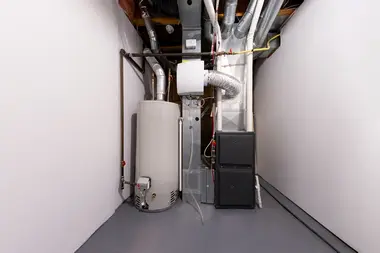
If your hot water disappears faster than it used to, the problem may be inside the water heater or related to how much hot water your household uses. Sediment buildup, failed heating components, thermostat issues, heavy demand, or an undersized system can all reduce the amount of usable hot water available.
Start by comparing your water heater’s capacity with your household’s current hot-water needs. Ally Plumbing helps Bellevue homeowners diagnose hot-water problems and determine whether the issue can be repaired or whether the system is no longer sized appropriately for the home.
A sudden change in performance, especially when combined with water around the heater, unusual noises, or inconsistent temperatures, should be inspected promptly.
Common Reasons Hot Water Runs Out Too Fast
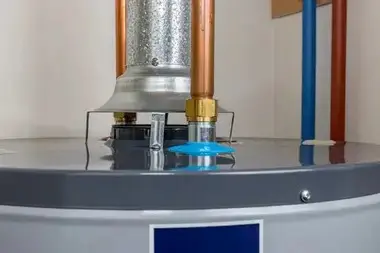
Sediment Buildup in the Tank
Tank-style water heaters can collect sediment at the bottom over time. This buildup takes up space inside the tank and can reduce the amount of hot water available for showers, laundry, and daily use.
Sediment can also make the system work harder and may contribute to popping or rumbling noises.
Failed Heating Components
Electric water heaters usually rely on heating elements to warm the water. If one element fails, the heater may still produce hot water, but the available supply can run out much sooner than expected.
A plumber can test the elements and determine whether replacement is needed.
Thermostat Problems
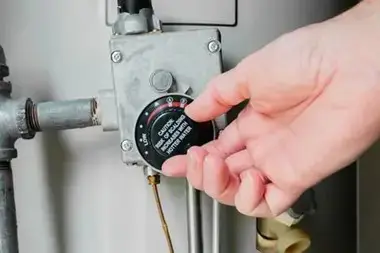
The thermostat controls the water temperature inside the heater. If it is malfunctioning or set incorrectly, the system may not heat the full tank to the expected temperature.
This can make it seem as though you are running out of hot water quickly, even when the tank is full.
Heavy Household Demand
Sometimes the water heater is working correctly, but household usage has increased. More occupants, longer showers, larger tubs, or running several hot-water fixtures at once can use the available supply faster.
If the shortage mainly happens during busy periods, demand may be part of the issue.
An Undersized Water Heater
A heater that was adequate for a smaller household may no longer meet current needs.
When choosing a replacement, capacity or flow rate should match how much hot water your household is likely to use at the same time.
Signs Your Water Heater Needs Professional Attention
Schedule an inspection if you notice:
- Hot water running out much faster than before
- Sudden changes in water temperature
- Water leaking around the heater
- Rust-colored or discolored hot water
- Loud popping or rumbling sounds
- No hot water at all
These symptoms can indicate component failure, sediment buildup, or a deteriorating tank.
How Much Does Water Heater Repair Cost in Bellevue?
Water heater repairs often cost hundreds of dollars, depending on the failed part, system type, accessibility, and labor required.
If the tank has failed or the system needs replacement, the total cost can reach several thousand dollars depending on capacity, fuel type, and installation requirements.
Get Water Heater Help in Bellevue
If your hot water keeps running out too quickly, the right solution depends on whether the problem is maintenance, component failure, household demand, or system sizing.
Ally Plumbing provides water heater inspection, repair, and replacement for Bellevue homeowners. Call (844) 669-ALLY to schedule service and find out why your hot water supply is no longer keeping up.

