
How Do I Know If I Have a Hidden Water Leak?
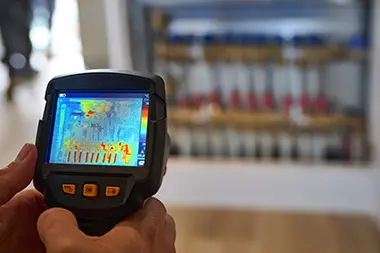
A hidden water leak can be difficult to spot because the problem may be behind a wall, under flooring, above a ceiling, or beneath the foundation. Common warning signs include higher water bills, damp areas, stains, musty odors, or a water meter that continues moving when no fixtures are in use.
One useful first step is to turn off faucets, appliances, toilets, and other water-using fixtures, then check your water meter. If it still shows water usage, a leak may be present somewhere in the system.Ally Plumbing helps Seattle homeowners locate hidden leaks and determine the right repair before moisture causes additional damage.
If you notice ceiling damage, wet flooring, mold growth, or a sudden increase in water consumption, schedule an inspection promptly. Hidden leaks can worsen over time and may affect both plumbing components and surrounding building materials.
Common Signs of a Hidden Water Leak
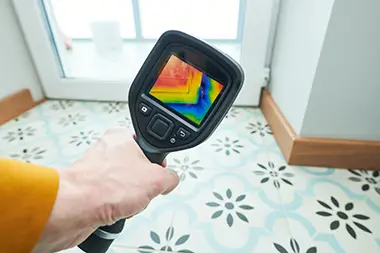
Unexplained Increase in Your Water Bill
If your household water habits have not changed but your bill suddenly rises, a hidden leak may be responsible.
Even a small leak that runs continuously can increase water usage over time. Comparing recent bills with previous months can help reveal unusual changes.
Damp Walls or Ceiling Stains
Water leaking behind drywall or above ceilings may create discolored patches, bubbling paint, peeling finishes, or soft areas.
The visible stain may not be directly below the leak because water can travel along pipes, framing, and other materials before appearing.
Musty or Damp Odors
Persistent musty smells can indicate moisture collecting somewhere that is not easily visible.
If an area smells damp even after cleaning and ventilation, hidden plumbing moisture may be contributing to the problem.
Wet or Warped Flooring
Leaks beneath sinks, appliances, walls, or floors can cause flooring materials to swell, buckle, discolor, or feel unusually damp.
These changes should be investigated before moisture spreads into subflooring or nearby materials.
How to Check Your Water Meter for a Leak
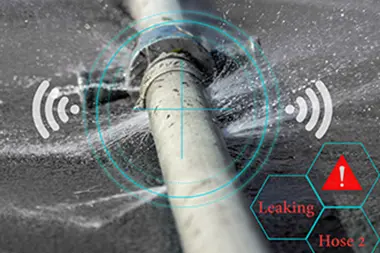
Turn off every water-using fixture and appliance in your home. Make sure toilets are not running and no outdoor irrigation is operating.
Then check the water meter. If the indicator continues to move or usage increases while everything is off, water may still be flowing somewhere.
A meter test can confirm that water is being used, but it does not identify the exact location of the leak.
When Should You Call a Plumber?
Consider professional leak detection if you notice:
- Rapidly increasing water consumption
- Ceiling or wall damage
- Wet or damaged flooring
- Mold or persistent moisture
- A meter that moves when water is off
- Unexplained sounds of running water
Early diagnosis can help limit water waste and reduce the risk of additional property damage.
How Much Does Leak Detection Cost in Seattle?
Leak detection and repair costs vary significantly depending on the location, accessibility, and severity of the problem. A loose fitting may be simple to repair, while a leak behind a wall or beneath flooring can require more extensive work.
A professional inspection can help locate the source before unnecessary areas are opened.
Get Hidden Leak Detection in Seattle
If you suspect water is leaking somewhere in your home, do not wait for visible damage to become worse.
Ally Plumbing provides leak detection and plumbing repair for Seattle homeowners. Call (844) 669-ALLY to schedule service and find the source of a hidden water leak before it leads to greater water waste or property damage.

