
How Can I Tell If a Pipe Is Leaking Behind a Wall?

A leaking pipe behind a wall is not always obvious at first. Since the plumbing is hidden, the earliest clues may be water stains, bubbling paint, damp drywall, musty odors, unexplained water usage, or mold developing in areas that normally stay dry.
One simple way to check for a possible hidden leak is to turn off every faucet, appliance, toilet, and other water-using fixture, then look at your water meter. If it continues showing usage, water may be escaping somewhere in the plumbing system. Ally Plumbing helps Bellevue homeowners locate hidden leaks and determine what repair is needed before moisture causes more damage.
If stains are spreading quickly or water begins dripping through a ceiling, the problem should be addressed promptly. Hidden leaks can damage drywall, insulation, flooring, and framing if they continue unnoticed.
Common Signs of a Pipe Leaking Behind a Wall
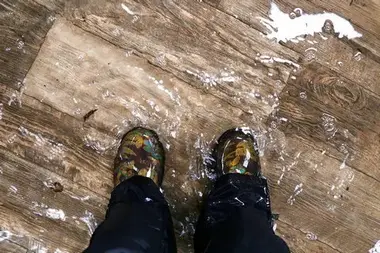
Water Stains or Discoloration
Brown, yellow, or dark stains on walls or ceilings can indicate moisture collecting behind the surface.
The visible stain may not be directly below the leaking pipe because water can travel along framing, pipes, or other building materials before becoming noticeable.
Bubbling or Peeling Paint
Moisture behind drywall can cause paint to bubble, blister, peel, or lose adhesion.
Wallpaper may also loosen or develop discolored areas. These changes are often a sign that moisture is affecting the wall from behind rather than coming from normal surface humidity.
Damp or Soft Drywall
Drywall that feels damp, soft, or unusually cool may have water behind it.
If the affected area continues growing even when no water is being used nearby, a plumbing leak should be considered.
Musty Odors or Mold
A persistent musty smell can indicate hidden moisture. Mold may also develop where damp conditions remain for an extended period.
Because the visible mold may not reveal the actual source of the water, the plumbing should be checked before simply cleaning or repainting the area.
Unexplained Water Usage
A higher water bill without a change in normal household habits may point to a hidden leak.
Checking the water meter while everything is turned off can help determine whether water is still moving through the system.
When Should You Call a Plumber?
Schedule professional leak detection if you notice:
- Rapidly expanding wall or ceiling stains
- Water dripping through a ceiling
- Damp or damaged drywall
- Mold or persistent musty odors
- A meter that moves when everything is off
- Unexplained increases in water consumption
These signs may indicate an active leak that needs to be located before repairs to walls or finishes begin.
Why Professional Leak Detection Matters
Opening a wall without knowing where the leak is located can create unnecessary damage.
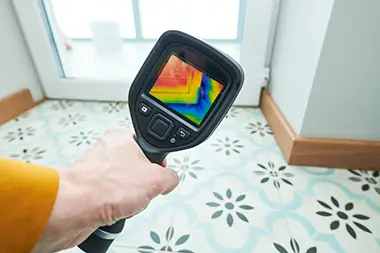
A plumber can evaluate the symptoms, plumbing layout, and water usage to narrow down the source. Depending on the situation, specialized leak detection methods may help locate the problem with less disruption.
How Much Does Hidden Leak Repair Cost in Bellevue?
Leak detection and repair costs vary depending on the pipe location, accessibility, material, and amount of damage.
A leak behind easily accessible drywall may be simpler to repair than one beneath flooring, above a ceiling, or inside a difficult-to-reach wall cavity.
Get Hidden Leak Help in Bellevue
If you suspect a pipe is leaking behind a wall, do not wait for the damage to spread.
Ally Plumbing provides hidden leak detection and plumbing repair for Bellevue homeowners. Call (844) 669-ALLYto schedule service and get the source of the leak properly identified.

