
Why Does My Basement or Lower-Level Drain Keep Backing Up?
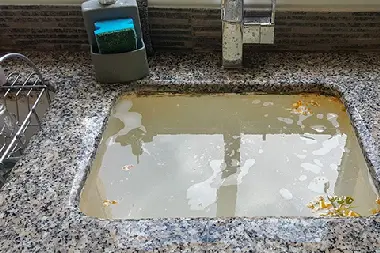
A basement or lower-level drain that keeps backing up often points to a problem deeper in the plumbing system. Because lower fixtures sit closer to the main sewer line, they are often the first places where wastewater appears when that line becomes restricted.
If water or sewage starts coming through a floor drain, shower, or other low fixture, stop using plumbing throughout the home until the cause is identified. Ally Plumbing helps Bellevue homeowners diagnose lower-level drain backups and determine whether the problem involves a clog, sewer line restriction, root intrusion, or damaged piping.
Sewage or contaminated water entering the home should be treated as a serious warning sign. Continuing to flush toilets, run faucets, or use appliances can send even more wastewater toward the blocked line and make the backup worse.
Why Do Lower-Level Drains Back Up First?
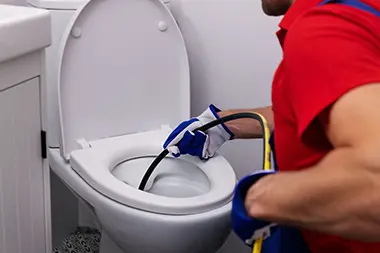
Main Sewer Line Blockage
A blockage in the main sewer line can prevent wastewater from leaving your home properly.
Because basement and lower-level drains are closer to the sewer connection, wastewater may rise through these fixtures before it reaches plumbing on higher floors.
Grease, Debris, or Waste Buildup
Grease, paper products, wipes, food waste, and other debris can accumulate inside sewer lines.
As the opening becomes smaller, wastewater has less room to move. Eventually, the line may become restricted enough for water to reverse direction and come back through lower drains.
Tree Root Intrusion
Tree roots can enter sewer lines through cracks, loose joints, or weakened connections.
Once inside, they can trap debris and create recurring blockages. If the same lower-level drain continues backing up after repeated cleaning, root intrusion or pipe damage may need to be investigated.
Damaged or Misaligned Sewer Pipe
Cracked, collapsed, or shifted sewer piping can interfere with normal wastewater flow.
A damaged section may repeatedly collect debris or allow sewage to back up into the home. A sewer camera inspection can help identify structural problems that basic drain clearing cannot correct.
Warning Signs of a Main Sewer Problem
Watch for:
- Sewage coming through a floor drain
- Several fixtures draining slowly
- Toilets bubbling or gurgling
- Water backing up when another fixture is used
- Strong sewer odors
- Recurring basement drain backups
If several fixtures are affected at the same time, the issue is more likely to involve the main drain or sewer line.
What Should You Do During a Backup?
Stop running water throughout the home. Avoid flushing toilets, using the washing machine, running the dishwasher, or taking showers until the blockage has been evaluated.
Keep people and pets away from sewage or contaminated water. Professional drain and sewer equipment may be needed to locate and clear the restriction safely.
If backups keep returning, a sewer camera inspection may help determine whether roots, damaged piping, or another recurring problem is responsible.
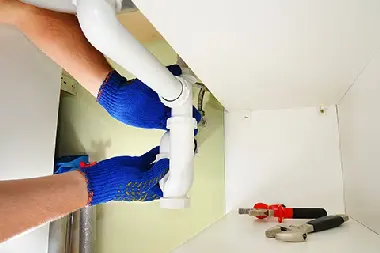
How Much Does Main-Line Clearing Cost in Bellevue?
Main sewer line clearing generally costs hundreds of dollars, depending on the location, severity, and accessibility of the blockage.
If the sewer pipe is cracked, collapsed, or otherwise damaged, repairs can cost thousands. The final cost depends on pipe depth, length, condition, and repair method.
Get Lower-Level Drain Help in Bellevue
If your basement or lower-level drain keeps backing up, repeated cleaning may not solve the underlying cause.
Ally Plumbing provides sewer line diagnosis, drain clearing, and sewer repair for Bellevue homeowners. Call (844) 669-ALLY to schedule service and get the source of the backup properly identified.

